When Does Chapter 7041 Make an Event Holding Tank Necessary?
An event holding tank may be needed when wastewater cannot go to an approved sewer or septic system and must be collected for proper handling. Minnesota Rules Chapter 7041 covers septage management, so organizers should confirm how the rule applies to their setup rather than assume any tank or disposal method is acceptable.
Start early. For events near Hunter’s Lake Park, identify the proposed tank location and service-truck access before the site gets busy.
Minnesota State Highway 10 can shape delivery timing for equipment moving through the area, so share the event address and access instructions when arranging service. Autumn temperatures can shift quickly; plan for an overnight freeze if the event runs late in the season.
When Does Chapter 7041 Point to a Holding Tank?
A holding tank becomes a practical consideration when an event generates wastewater but has no suitable connection to an approved wastewater system. The key question is not simply whether guests need restrooms; it is where wastewater will go, who will remove it, and whether the planned handling meets applicable requirements.
Minnesota Rules Chapter 7041 addresses septage management, but the right arrangement depends on the site and the waste stream. Confirm the setup with the relevant authorities before booking equipment.
For events at Bunker Hills Regional Park, identify the approved wastewater plan with the venue before choosing a tank. Our crew asks about expected attendance, event duration, and the service route because a tank that fills before a scheduled visit can disrupt operations.
Responsible waste handling means planning for authorized removal and disposal, not discharging wastewater onto the ground or into a storm drain. A rental does not, by itself, establish that a disposal method is permitted.
What Site Conditions Can Change the Plan?
A tank needs a placement area that can support the unit and remain reachable for service. On a property accessed near Bittersweet Street Northwest, organizers should point out gates, turning areas, and any restrictions that could keep a service vehicle from reaching the tank. We have seen plans miss the service route: the tank fits on the map, but parked cars or event fencing block the pump-out approach.
Freeze-thaw cycles can soften driveways and unpaved event sites, so confirm that both delivery and later service vehicles can travel over the chosen route. Petersen Park is a useful local reference when discussing an outdoor site plan; the actual event address and ground conditions still determine placement.
In cold, snowy weather, clear the delivery path before the truck arrives. Set the tank away from vehicle traffic and leave its service access unobstructed.
How Many Units and Service Visits Should You Plan?
Right-sized unit quantities and a realistic service interval help prevent an avoidable overflow or an equipment shortage during busy periods. Estimate attendance, event length, and expected restroom use, then discuss those figures with the rental provider. A large crowd arriving in one peak window may put more pressure on the waste system than the same number of guests spread across a full day.
Do not guess at capacity from appearance. Holding-tank capacity varies by model, and the required size depends on the volume expected and how often a pump-out can be scheduled.
For a multi-day event, agree on a service interval before guests arrive and keep the route open for each visit. If the tank is already approaching capacity, request professional service; do not try to empty it yourself or move the contents to an unapproved location.
When Should You DIY or Call a Pro?
You can prepare the event information yourself: attendance, dates, site access, proposed placement, and any venue instructions. That groundwork makes a quote and service plan more accurate. But determining an acceptable wastewater route, selecting capacity for a high-use event, or arranging safe pump-out is a professional job when you are unsure about the requirements or the site cannot support straightforward access.
Our crew can review the location, discuss delivery and servicing logistics, and help organizers identify questions to take to the proper authority. A rental is not a substitute for permit approval or regulatory guidance.
If your event plan includes wastewater collection, resolve those questions before finalizing the site layout. For related planning, see our guide on keeping event delivery trucks clear of parked cars and our article about portable toilets for avoiding long event lines.
Which Wastewater Setup Fits Your Chapter 7041 Plan?
Choose based on where wastewater goes and how the site can be serviced; the right equipment depends on the event’s approved waste plan. Severe thunderstorms can bring damaging winds and hail, so include a weather contingency for equipment and access.
For an event near Andover Community Center, confirm the placement and service route with the site contact; Andover Elementary School events also need a site-specific layout rather than a copied plan. Andover Boulevard is one local delivery reference, but the exact address and approach determine truck access.
| Option | Best for | Key detail |
|---|---|---|
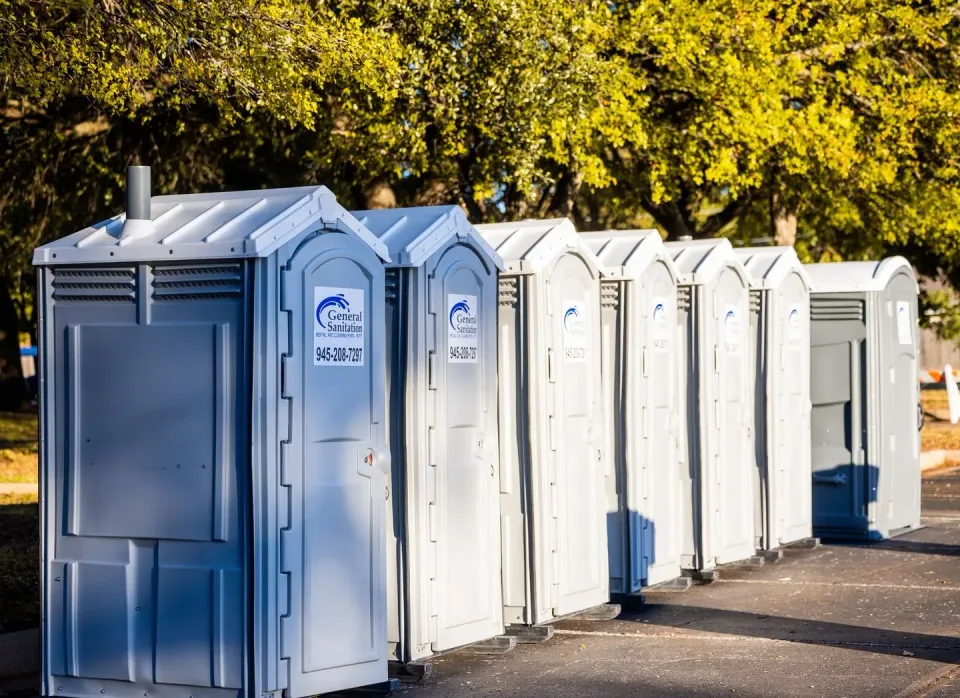
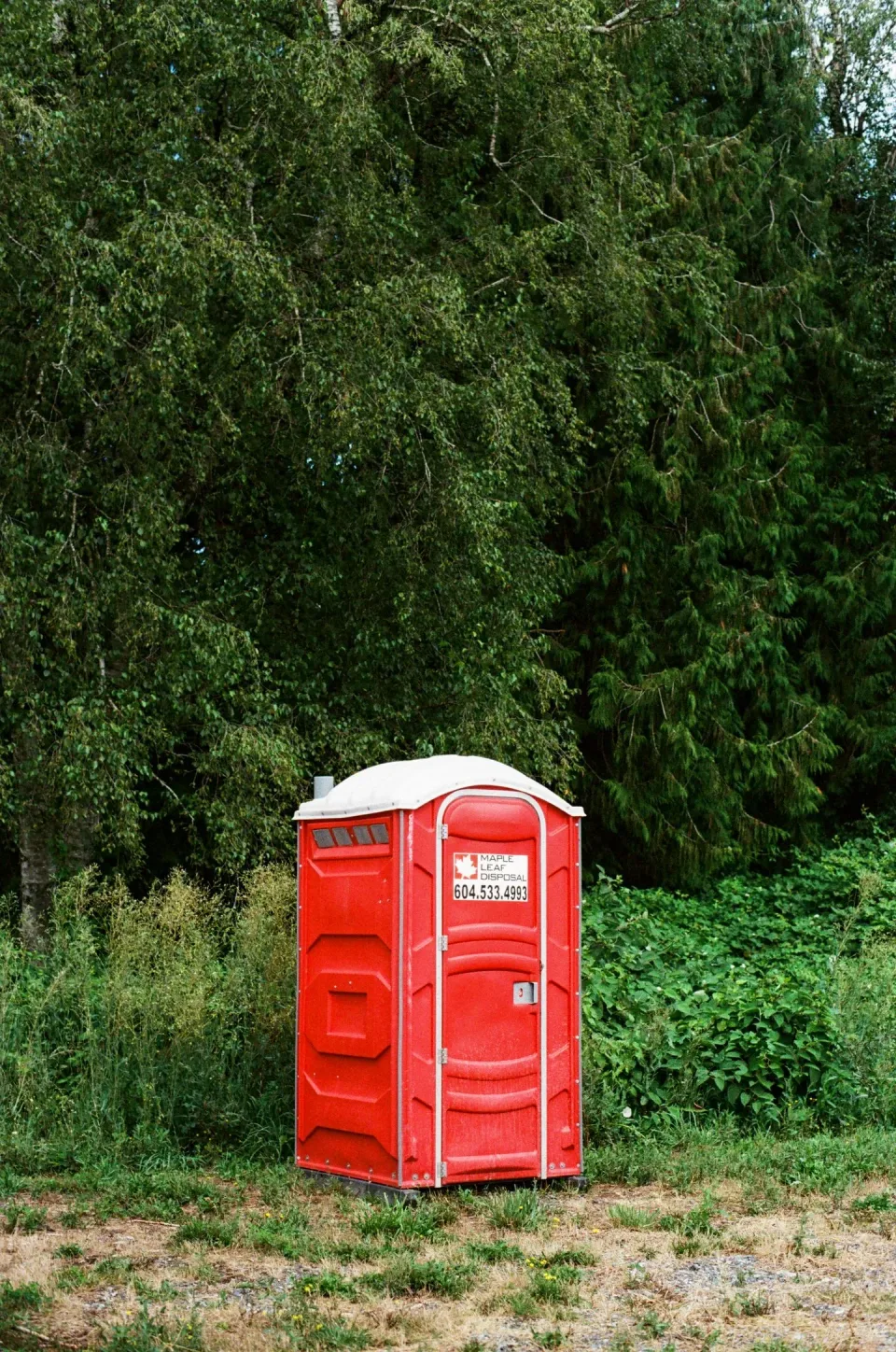
| Standard event porta potty | Self-contained guest restroom use | About 4 feet wide by 4 feet deep |
| ADA-accessible portable toilet | Wheelchair-accessible restroom needs | About 6 feet wide by 8 feet deep |
| Luxury restroom trailer | Events needing multiple fixtures | Multiple-stall configurations |
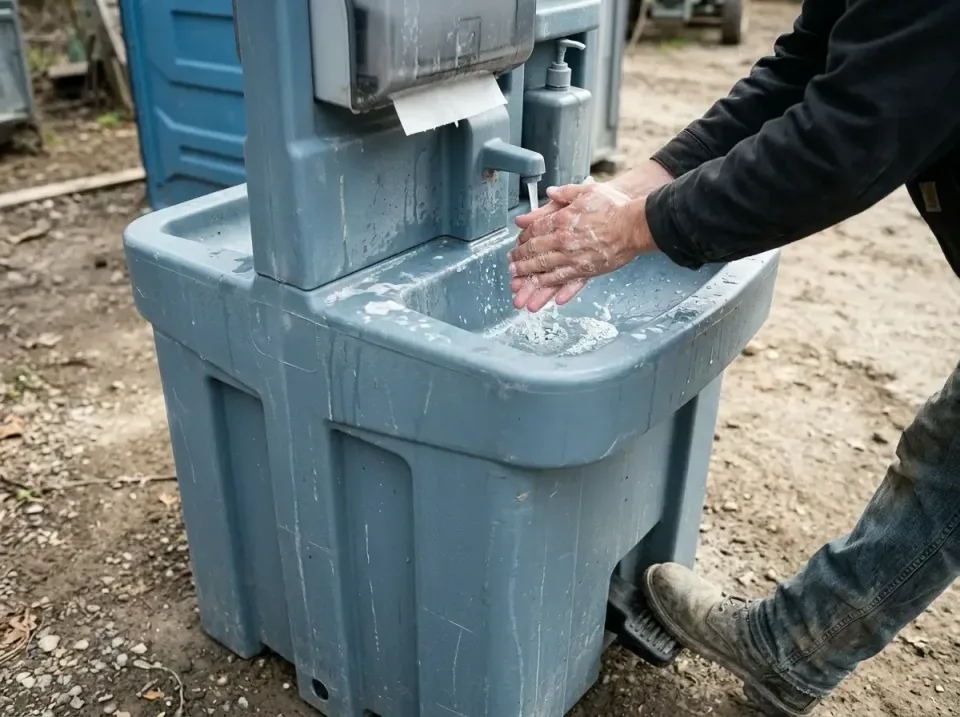
| Portable handwash station | Handwashing away from plumbing | Portable sink; confirm water plan |
| Holding tank rental | Temporary wastewater collection | Capacity varies by model |
How Do You Prepare an Event Holding Tank Plan?
Give the provider a clear picture of the site and event before setting a delivery date. Andover Cinema can help orient a local delivery conversation, but truck access must be confirmed for the event’s actual location. Northwoods Park is another useful local reference when describing an outdoor setup; do not assume its ground or access conditions match your site.
-
Share event details: Provide event dates, expected attendance, and the hours guests will use the site.
-
Mark the tank location: Choose level ground away from traffic and note gates, obstacles, and the route for the service vehicle.
-
Check the access route: Heavy rainfall can leave routes muddy and ground unstable, so report soft areas before delivery.
-
Set delivery and pickup timing: Schedule placement before guests arrive and arrange removal after the event closes.
-
Plan service visits: For a multi-day event, agree on the service interval and keep access clear throughout the rental.
Use Bunker Lake Boulevard or Crosstown Boulevard only as route references; provide the exact entrance and onsite contact to avoid delivery confusion.
Plan Andover Holding Tank Service Before Event Day
A holding tank may be needed when an event has no approved wastewater connection and must collect waste for managed removal. Confirm applicability and disposal requirements before equipment is placed.
Warm-season thunderstorms may delay delivery or setup, so keep a flexible schedule and an onsite contact ready. At Andover City Hall, ask the appropriate city contact about event requirements; for events near Andover High School or Andover YMCA, coordinate access and placement with the venue.
Andover’s inland temperature swings can affect outdoor planning, so build weather changes into the schedule. Our team can review attendance, dates, and truck access to help organize delivery, servicing, and pickup.
For a practical next step, request a quote for holding tank rental from MN Toilet Pros.